Polyolefins
Polyolefins: Lightweight, durable polymers engineered for high performance.
Ideal for packaging, automotive, and industrial applications.
Home / Polyolefins
Polyolefins - Both PE & PP
Polyolefins are a family of thermoplastics that include polyethylene and polypropylene. They are produced by polymerising respectively ethylene and propylene, mainly obtained from oil and natural gas but can also be derived from renewable resources (e.g., sugar cane). Their versatility has made them the most largely used type of plastics, representing almost 50% of the European plastics consumption.
1.High-Density Polyethylene (HDPE):
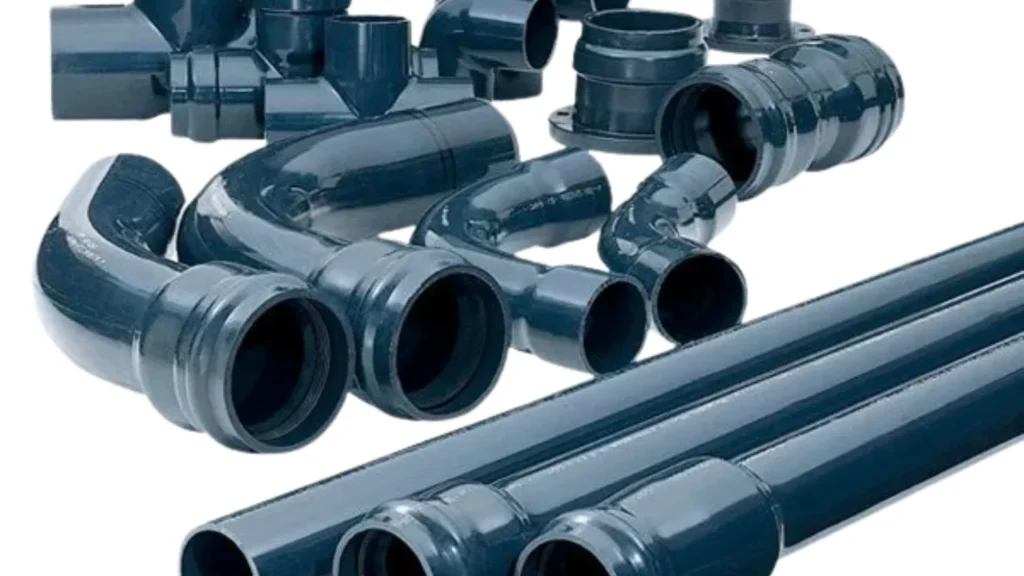
HDPE is a strong and rigid polyethylene variant.
- Melting Point: Approximately 120–130 degrees Celsius.
- Molar Mass: Typically ranges from 50,000 to 200,000 g/mol.
- Chemical Structure: HDPE consists of long linear chains with minimal branching.
- Density: HDPE has a density of about 0.941–0.965 g/cm³.
- Material Properties: HDPE is known for its high tensile strength, impact resistance, rigidity, excellent chemical resistance, and good moisture barrier properties.
2.Low-Density Polyethylene (LDPE):
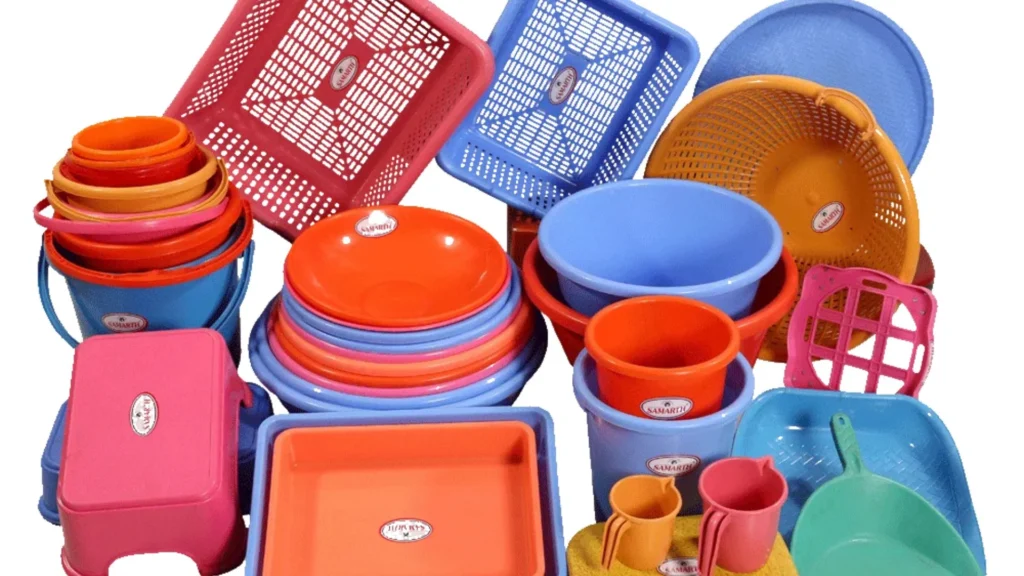
LDPE is a flexible and transparent polyethylene variant.
- Melting Point: Approximately 105–115 degrees Celsius.
- Molar Mass: Typically ranges from 20,000 to 500,000 g/mol.
- Chemical Structure: LDPE has a highly branched and less organized structure compared to HDPE.
- Density: LDPE has a density of about 0.910–0.940 g/cm³.
- Material Properties:LDPE exhibits good flexibility, low tensile strength, high impact resistance, excellent electrical insulation properties, and good transparency.
3.Low-Density Polyethylene (LDPE):
LLDPE is a variation of LDPE with a linear molecular structure.
- Melting Point: Approximately 120–125 degrees Celsius.
- Molar Mass: Typically ranges from 50,000 to 500,000 g/mol.
- Chemical Structure:LLDPE consists of linear chains with some short branches.
- Density:LLDPE has a density of about 0.915–0.940 g/cm³.
- Material Properties:LLDPE combines the flexibility of LDPE with improved tensile strength, puncture resistance, and environmental stress crack resistance.
Properties of polyolefins
LDPE (low-density polyethylene) is defined by a density range of 0.910 0.940 g/cm3. It can withstand temperatures of 80°C continuously and 95°C for a short time. Made in translucent or opaque variations, it is flexible and tough.
HDPE (high-density polyethylene) is known for its large strength-to-density ratio. The density of HDPE can range from 0.93 to 0.97 g/cm3 or 970 kg/m3. Although the density of HDPE is only marginally higher than that of low-density polyethylene, HDPE has little branching, giving it stronger intermolecular forces and tensile strength than LDPE. It is also harder and more opaque and can withstand higher temperatures (120°C for short periods).
PP (polypropylene) is the commodity plastic with the lowest density, between 0.895 and 0.92 g/cm³. Compared to polyethylene, it has superior mechanical properties and thermal resistance but less chemical resistance. PP is usually tough and flexible, especially when copolymerised with ethylene.
LLDPE (linear low-density polyethylene) is a substantially linear polyethylene, with significant numbers of short branches, commonly made by copolymerisation of ethylene with longer-chain olefins. LLDPE has higher tensile strength and higher impact and puncture resistance than LDPE. It is very flexible and elongates under stress. It can be used to make thinner films and has good resistance to chemicals. It has good electrical properties. However, it is not as easy to process as LDPE.
Applications of PE family
Low-Density Polyethylene (LDPE)
A flexible and tear-resistant plastic often used for shopping bags and garment bags.
High-Density Polyethylene (HDPE)
A stronger, tougher plastic used for stronger grocery bags, garbage bags, and recycling bags.
Polypropylene (PP)
Often used for reusable shopping bags and packaging films where higher strength is needed.
Polyethylene Terephthalate (PET)
Frequently used for food packaging and some types of bags.
Linear Low-Density Polyethylene (LLDPE)
Similar to LDPE but with better strength and tear resistance, commonly used for e-commerce mailers and protective films.
Recycling and reuse of polyolefins
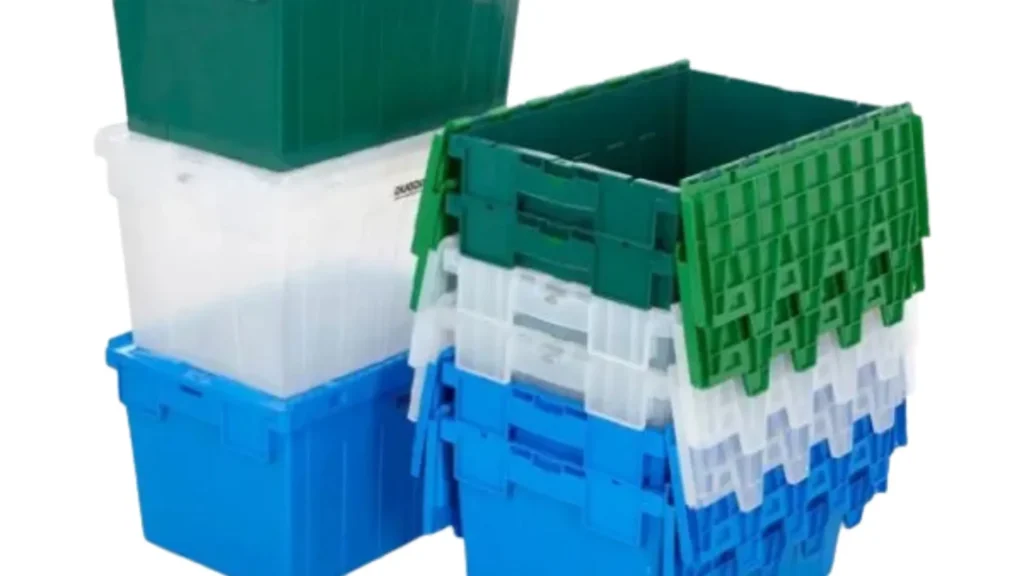
Polyolefins account for nearly two-thirds of Europe’s post-consumer plastic waste, while only about 23% (4.1 Mt) is mechanically recycled due to limits in collection and sorting. More European countries are expanding separated household collections to include additional polyolefin waste types like films and rigid packaging. Recycled polyolefins are mainly used in non-food applications because regulations restrict food-contact use. Chemical recycling can enable food-grade applications and improve recycling of mixed or multi-layer polyolefin waste. Several polyolefin products, such as PP crates and HDPE containers, also offer reuse opportunities after their first service life.
Advantages of Polyethylene:
Versatility
Polyethylene is a highly versatile material that can be modified to exhibit different properties, making it suitable for a wide range of applications.
Cost-effective
Polyethylene is relatively inexpensive to produce, making it cost-effective for many industries and products.
Lightweight
Polyethylene is a lightweight material, which is advantageous for applications where weight reduction is desired, such as in packaging and transportation.
Chemical Resistance
Polyethylene shows excellent resistance to many chemicals, making it suitable for storing and transporting various substances, including acids, alkalis, and solvents.
Moisture Resistance
Polyethylene has low moisture absorption, making it resistant to water and moisture damage, which is beneficial in applications where moisture protection is important.
Electrical Insulation
Certain types of polyethylene, such as LDPE, exhibit good electrical insulation properties, making them suitable for applications in the electrical and electronics industries.
Disadvantages of Polyethylene:
Environmental Impact
Polyethylene is a non-biodegradable material, and its disposal can contribute to plastic waste and environmental pollution if not properly managed.
UV Degradation
Some types of polyethylene, particularly LDPE, are susceptible to degradation when exposed to UV radiation, which can limit their outdoor applications unless they are appropriately stabilized.
Low Heat Resistance
Polyethylene has relatively low heat resistance compared to some other plastics. It can melt or deform at high temperatures, limiting its use in high-temperature applications.
Lack of Rigidity
While high-density polyethylene (HDPE) offers good rigidity, other forms of polyethylene, such as LDPE, can be flexible and less structurally rigid, which may not be suitable for applications requiring high stiffness.
Limited Mechanical Strength
Polyethylene is not as strong as some other engineering plastics, and its mechanical strength can be lower compared to materials like metals or reinforced plastics. However, this can be overcome by using higher-density or reinforced variants.
Limited Transparency
While polyethylene can be transparent in certain forms, it is not as optically clear as materials like glass or some other plastics, which may be a disadvantage in applications requiring high transparency or clarity.
Border color box with less gap
Do you want to show your information with less gap? Then you should definitely use this style!